If you’re serious about powerlifting, you know the “Big Three” are king: the squat, bench press, and deadlift. They’re the movements that win meets and define your strength. But what about all those other exercises? The rows, the triceps extensions, the glute-ham raises? These are your accessory movements, and let me tell you, they’re not just filler – they’re crucial for building a bigger total, shoring up weaknesses, and staying healthy in the long run.
Think of it this way: your squat, bench, and deadlift are the main events, but accessory movements are the support crew that makes the main event possible. Neglect them, and you’re leaving pounds on the platform and inviting injuries. People think accessories are boring or unimportant. Kind of like homework from school – but in reality, they are the foundation that helps drive your strength building to new levels.
What Exactly Are Accessory Movements?
Simply put, accessory movements are exercises that support your main powerlifting lifts. They typically:
- Target specific muscle groups that are directly involved in your squat, bench, or deadlift.
- Strengthen weak points that are limiting your progress on the main lifts.
- Improve stability and control in key positions.
- Build overall muscle mass (hypertrophy), which provides a larger foundation for strength.
- Help prevent injuries by creating balanced strength and addressing imbalances.
While the “Big Three” are compound movements that recruit many muscles, accessory work allows you to isolate and develop those individual muscles or movement patterns that might be lagging.
Why You Can’t Afford to Skip Them
I’ve seen it countless times: lifters who only focus on the squat, bench, and deadlift hit frustrating plateaus, or worse, get injured. Here’s why accessory movements are non-negotiable:
- Address Weak Points and Sticking Points: Every lifter has them. Maybe you struggle with lockout on your deadlift, or coming out of the hole on your squat, or pressing through the mid-range of your bench. Accessory movements are designed to attack these specific weaknesses. For example, if your lockout is weak on deadlifts, RDLs or good mornings can strengthen your glutes and hamstrings. If your triceps are giving out on the bench, close-grip bench press or skullcrushers will help.
- Build Muscle Mass (Hypertrophy): More muscle typically means more potential for strength. Accessory work often involves higher rep ranges, which are excellent for building muscle. A bigger muscle has the capacity to generate more force.
- Enhance Stability and Control: Many accessory exercises, especially those involving dumbbells, cables, or unilateral movements, challenge your stability in ways the barbell doesn’t. Stronger stabilizers lead to more efficient and safer main lifts.
- Prevent Injuries: Balanced strength is healthy strength. By strengthening antagonist muscles (e.g., rows to balance out bench press volume) and improving overall joint integrity, accessory movements help reduce the risk of common powerlifting injuries. They can also reinforce proper movement patterns, making your main lifts safer.
- Increase Your Total: Ultimately, a chain is only as strong as its weakest link. By shoring up those weak links with targeted accessory work, you directly contribute to a higher squat, bench, and deadlift, leading to a bigger overall total.
How to Program Accessory Movements Effectively
There’s no one-size-fits-all answer, but here are some guiding principles I use with my clients:
- Identify Your Weaknesses: Be honest with yourself. Where do your main lifts break down? Is it your quads on the squat? Your lats on the deadlift? Your triceps on the bench? Your accessory work should primarily target these areas.
- Complement Your Main Lifts: Schedule accessory work after your main lifts for that session. If you’re benching heavy, you’ll then do accessory work for chest, shoulders, and triceps.
- Vary Rep Ranges: While the “Big Three” are typically low reps, use accessory movements for hypertrophy (6-12 reps) and even some higher rep work (15-20 reps) for muscular endurance and recovery.
- Don’t Overdo It: Accessory work should support your main lifts, not exhaust you for them. A few well-chosen exercises are better than a dozen random ones. 2-4 accessory exercises per session, for 3-4 sets each, is a common and effective range.
- Listen to Your Body: If an accessory exercise causes pain, stop. There are always alternatives.
- Rotate and Adjust: As your weaknesses change or as you get stronger, your accessory exercises should evolve. Don’t be afraid to switch them up every 4-8 weeks.
Common & Effective Accessory Movements for Each Lift
Here are some go-to accessory movements for each of the “Big Three”:
For Squat:
- Pause Squats: Improve strength out of the hole.
- Tempo Squats: Enhance control and technique.
- Leg Press: Build quad and glute mass without spinal loading.
- Romanian Deadlifts (RDLs): Target hamstrings and glutes for posterior chain strength.
- Good Mornings: Strengthen lower back, hamstrings, and glutes.
- Lunges/Split Squats: Address unilateral weaknesses and build leg drive.
For Bench Press:
- Close-Grip Bench Press: Emphasize triceps for lockout strength.
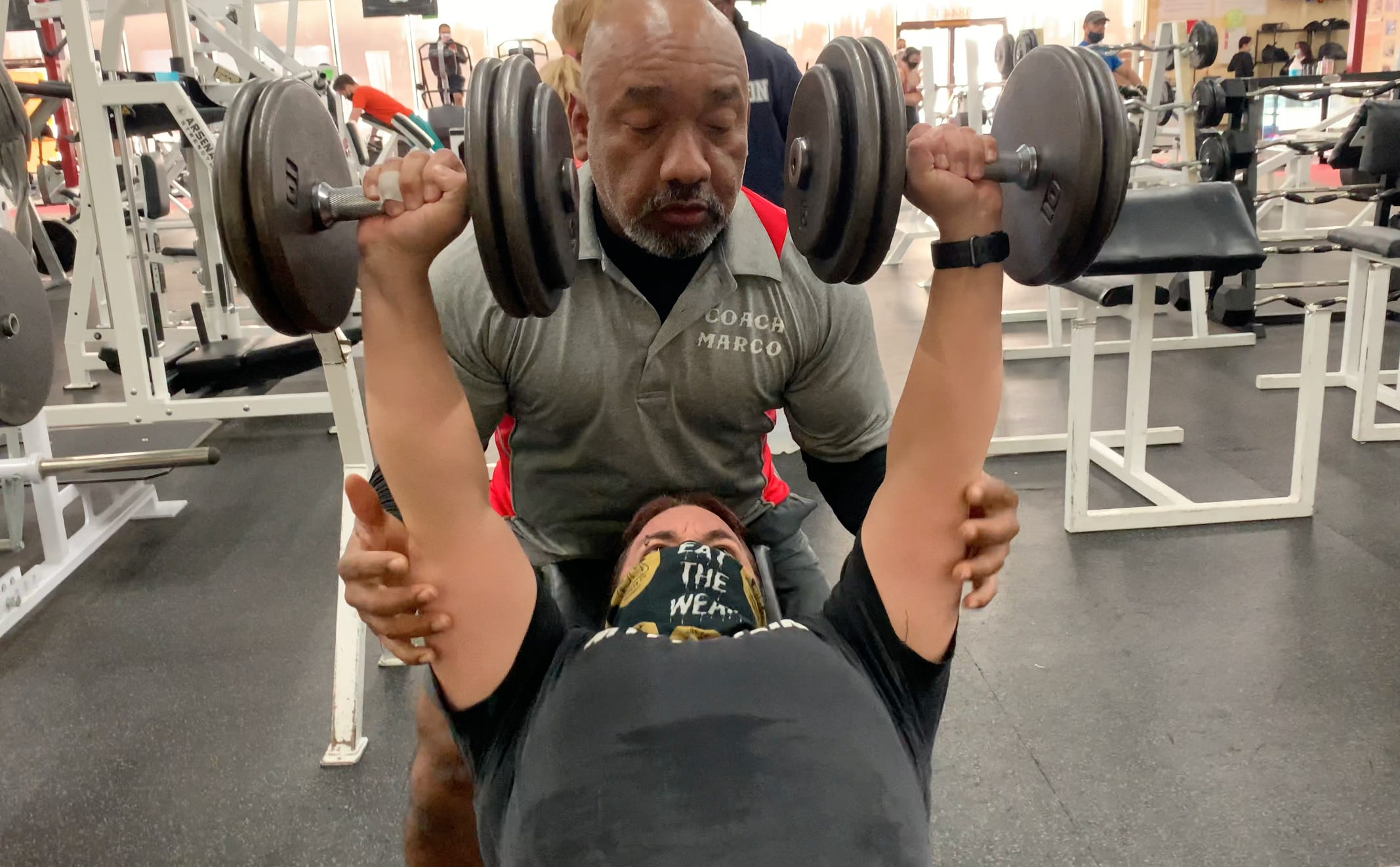
- Dumbbell Bench Press (Flat/Incline): Improve stability and address imbalances.
- Overhead Press (OHP): Strengthen shoulders and upper chest, aids lockout.
- Triceps Extensions (Skullcrushers, Rope Pushdowns): Direct triceps hypertrophy.
- Dips: Great for chest, shoulders, and triceps development.
- Face Pulls / Band Pull-Aparts: Essential for shoulder health and posture.
For Deadlift:
- Romanian Deadlifts (RDLs): Critical for hamstring and glute strength, improves hip hinge.
- Deficit Deadlifts: Strengthens the pull off the floor.
- Rack Pulls: Focuses on the top portion of the deadlift, good for lockout.
- Good Mornings: Develops strong posterior chain.
- Back Extensions/Hyperextensions: Strengthens lower back and glutes.
- Rows (Barbell Rows, Dumbbell Rows, Cable Rows): Build massive lats and upper back thickness, crucial for deadlift stability and tightness.
The Takeaway
Accessory movements aren’t glamorous, but they are the workhorses that build the foundation for massive lifts and a durable, injury-resistant body. Don’t relegate them to an afterthought. Integrate them intelligently into your powerlifting program, consistently work on your weak points, and watch your main lifts climb.
Also – check out my video on this topic: